Your engine didn't fail. Its design did.
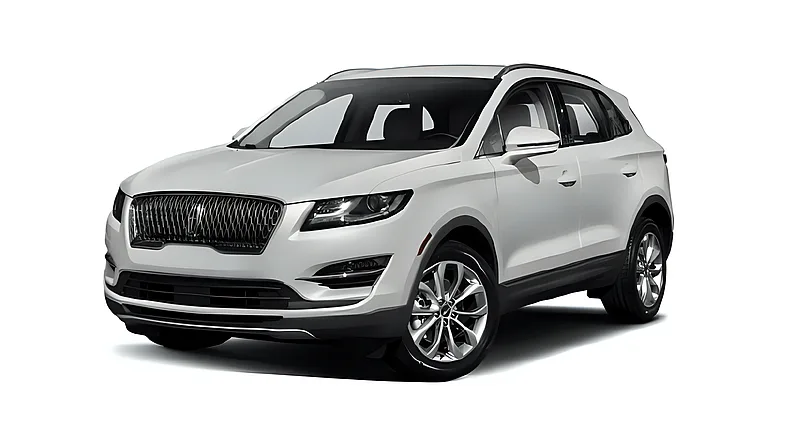
Ford's 1.5L, 1.6L and 2.0L EcoBoost engines — in the Escape, Fusion, Edge, and Lincoln MKC and MKZ — share a documented defect: a thin open-deck wall cracks and lets coolant into the cylinders, destroying the engine. Ford quietly fixed it free for 1.5L owners — Customer Satisfaction Program 21N12 — and billed 2.0L owners $7,000–$17,000 for the identical failure. This site is for the owners Ford excluded. If your engine is covered, we'll point you straight to your free repair instead.
- 1.Snap a photo of your door label
- 2.We check if your car is affected
- 3.Answer one page of questions
- 4.We write every complaint letter for you

Why this is highly unusual
Manufacturers rarely put a defect in writing. Ford did. Ford's own service bulletin defines the defective design by build date: vehicles built on or before the mid-2019 redesign cutoff (Lincoln MKC: April 18, 2019) carry the defective open-deck block. Ford documented the defect, redesigned it away — and then handed the repair bill to the owners of the design it replaced.
Same defect, two classes of customers
For the identical coolant-intrusion failure in the 1.5L engine, Ford gave owners a free repair — Customer Satisfaction Program 21N12, extended to 7 years / 84,000 miles. Owners of the 2.0L got a service bulletin and an invoice. Same defect, same repair, different treatment. That disparity is the heart of every complaint this site files.
You are not alone — the record is already huge, and growing
As of August 2026, the National Highway Traffic Safety Administration (NHTSA) database holds more than 4,500 owner complaints describing coolant getting into the cylinders of these Ford and Lincoln models — over 1,100 on the Ford Edge alone, where the only four-cylinder offered was the 2.0L. Filings are accelerating, not fading: 2,265 arrived in 2024 alone, and about 100 describe fire. NHTSA typically hears from fewer than 1 in 100 affected owners, so the real number is far larger. On a different EcoBoost engine, complaint volume pushed NHTSA to investigate — and it ended in a recall plus a 10-year/150,000-mile warranty extension. There is no open investigation into this defect yet. Your complaint is how that changes.
Check your vehicle
We can tell if your car is part of the affected group from the VIN label in the door jamb. Take a picture of the label, like this:
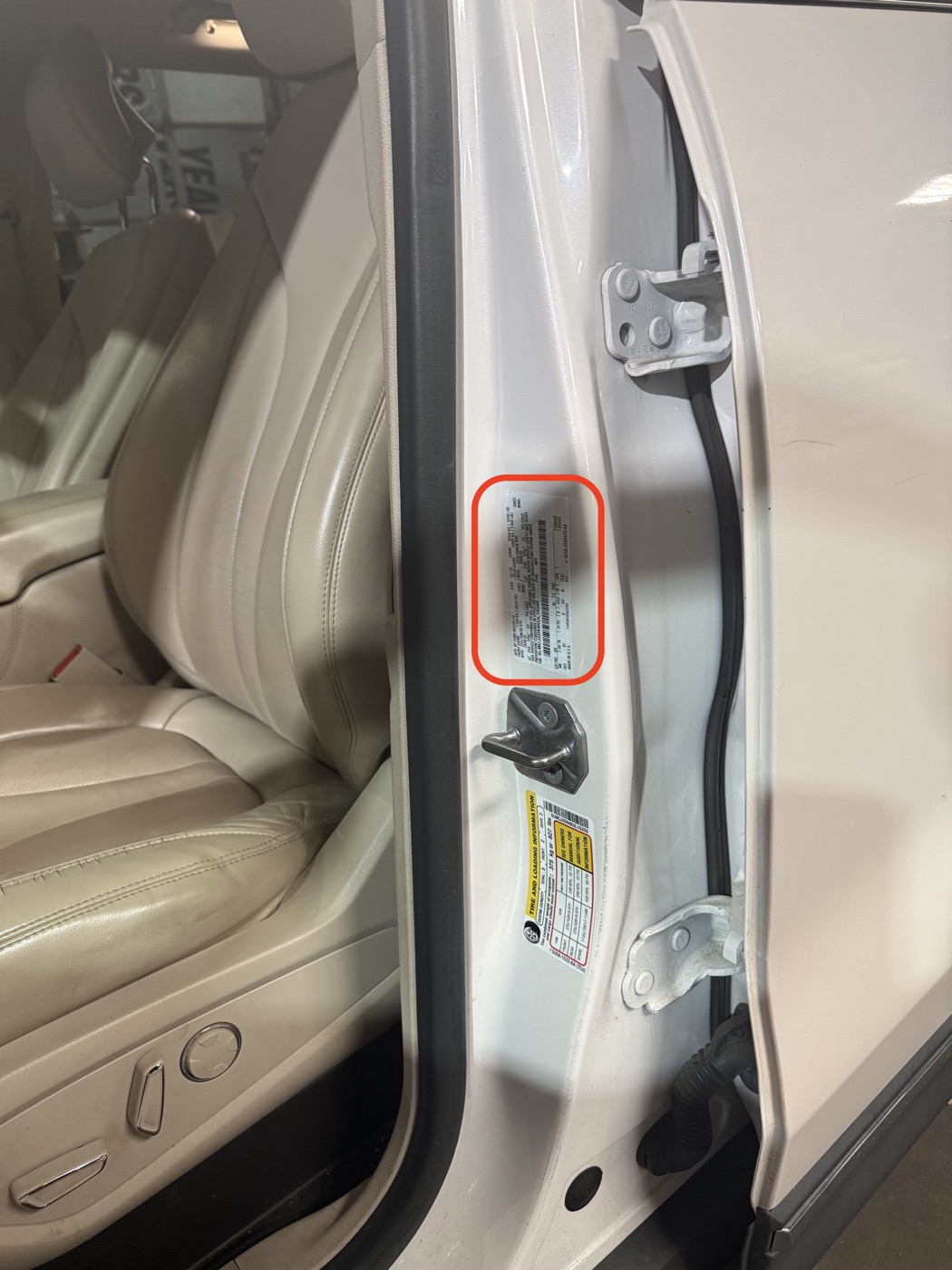
The sticker is on the driver's door jamb — open the door and look where the red circle shows.